
A branded search risk audit turns the first page of Google into a diagnostic for reputation, visibility, and conversion problems, since four common risks can quietly undermine the high-intent traffic that branded queries deliver.
Why branded search results deserve close attention
When a consumer searches for a company by name, or pairs a company name with a product, the results that surface shape immediate trust and buying intent. Branded search results convert at higher rates than generic queries because the searcher already has the brand in mind.
The composition of those results has changed. The first page of Google now blends owned assets with third-party content, and AI-powered surfaces are pulling in sources that traditional SEO work has never had to optimize for. That shift is where the risks live.
Risk 1: Relying on too few positive results
The first page of Google blends owned assets with third-party content, so a brand can become dependent on a small cluster of positive listings. If any one of those results shifts, drops, or loses authority, the visible reputation tied to those listings can move with it.
Building a wider set of positive, highly authoritative assets that are directly linked to the brand reduces that single-point-of-failure risk. The goal is a portfolio of trusted sources such as owned properties, earned media placements, and listings on high-authority third-party sites, rather than a handful of placements that could change on the next algorithm update.
Risk 2: Negative results are more prominent than ever
AI Overviews and ChatGPT-style search experiences are pulling negative content to the top of branded results. A single unfavorable Reddit thread, a questionable YouTube review, or a critical blog post can land in the answer box, the AI summary, or the first organic slot.
Monitoring matters more than it used to. Tracking whether negative content is moving up from page two to page one, whether negative Reddit threads are gaining traction, and how AI surfaces are treating the brand is now part of basic reputation hygiene. When negative results are climbing, bringing in an online reputation management specialist is a reasonable next step.
Risk 3: Search features bring their own consequences
The blue links on page one are only part of the picture. Image results, People Also Ask, autocomplete, news results, Top Stories, Google Discover, and Google Trends all shape how a brand reads at a glance, and each one can surface content the brand does not control.
These features are easy to overlook because they require opening image packs, expanding People Also Ask boxes, or reviewing Google Trends and Discover feeds instead of scanning a single results page. A branded search audit that stops at page one of standard results misses image results, People Also Ask, autocomplete, news results, Top Stories, Google Discover, and Google Trends.
Risk 4: Positive results that are not diverse enough
Duplicating owned content and placing brand mentions on third-party sites is not enough. A brand’s positive footprint needs to reach trusted media organizations and third-party outlets such as Wikipedia, Reuters, and the Associated Press.
Variety of sources matters as much as volume. When positive coverage comes from properties such as Wikipedia, Reuters, and the Associated Press, the brand is less dependent on any single ranking asset and harder to push off the first page by a single negative hit.
How to conduct a branded search risk audit
A branded search risk audit surfaces vulnerabilities such as those on Wikipedia, Reuters, and the Associated Press being disrupted by a single negative hit before they show up in conversion data.
- Identify branded queries. List the searches customers actually run in relation to the brand, including branded product names, executive names, and common complaint queries.
- Record initial results. Capture what page one of Google looks like for each query, including third-party results, AI Overviews, and search features such as image packs and People Also Ask.
- Categorize the results. Sort each listing as positive, negative, neutral, owned, or third-party so patterns become visible.
- Track themes and movement. Watch for new themes around the brand and note whether existing results are rising or falling in position over time.
- Rank the weak spots by their impact on visibility, authority, ranking stability, and conversion.
Treat branded search results as an early warning
Proactive monitoring is the core of modern online reputation management. Regular branded SERP monitoring catches early signs of trouble, and a diversified portfolio of trusted, authoritative listings makes the brand more resilient when a reputation issue does appear. The goal is a search presence that holds up across both traditional and AI-powered results.
An AI visibility scan compares the sources that currently represent the brand in search results and AI-generated answers against the set of authoritative listings a brand actually wants to appear in, and flags the gaps.
FAQ
What are branded search results?
Branded search results are the listings that appear when a searcher includes a company or product name in their query. They typically include a mix of owned assets, such as the company’s website and social profiles, and third-party content from media outlets, review sites, forums, and AI-generated summaries.
Why are negative results showing up more in branded search?
AI Overviews and conversational search tools pull answers from a wider range of sources than traditional search, and they often surface critical threads, reviews, and posts from platforms such as Reddit, YouTube, and independent blogs. That expanded sourcing gives negative content more paths to the top of branded results.
What is a branded search risk audit?
A branded search risk audit is a structured review of what appears when customers search for the brand. It identifies the branded queries customers use, records and categorizes the results, tracks movement over time, and prioritizes vulnerabilities in visibility, authority, ranking, and conversion impact.
Related coverage
- AI Search Behavior Study: 88% Accept AI Mode Results As-Is – BizScoreAI
- 10 technical SEO audit mistakes and how to fix them
SEOScanPro
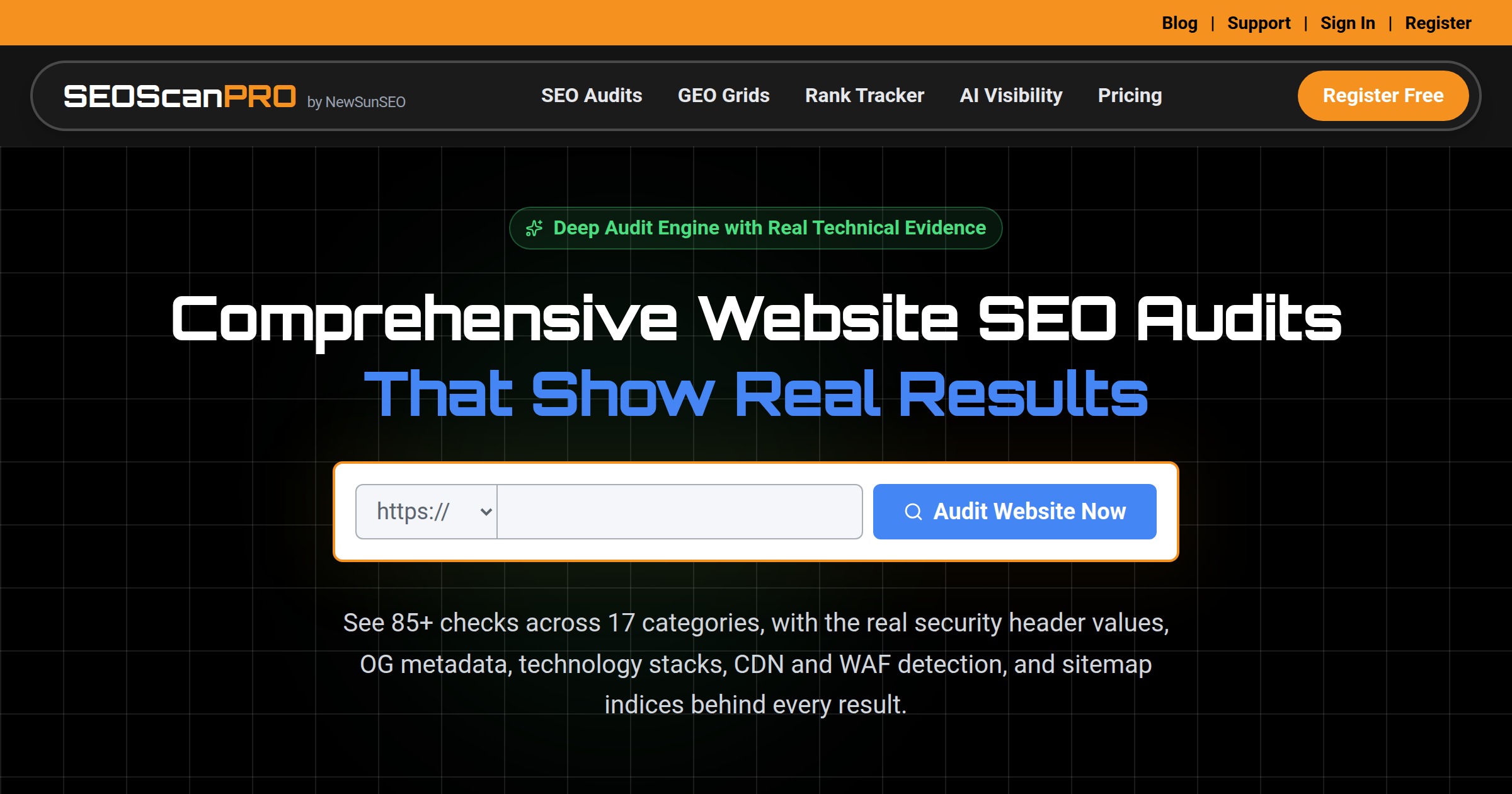
SEOScanPro’s AI visibility report runs a full technical audit of a site and shows the measured result behind every check. Open the AI visibility report.
This article summarizes reporting from searchengineland.com. See our editorial disclaimer for how our articles are produced.
Run a free scan to see your AI Visibility Score, SEO rating, and local citation accuracy.