BizScore
Top 75%Contact Information
-
Address
{"borough":"","street":"","city":"","postal_code":"","state":"","country":""}, Charleston, SC, 29425 -
Website
cffbh.org
Location
About Cffbh
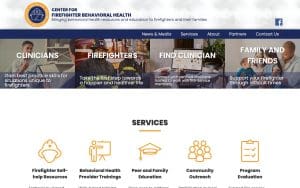
Cffbh is a fire protection service in Charleston, SC, dedicated to supporting the behavioral health of firefighters and their families. The organization provides technology-based self-help resources to help fire service professionals manage occupational stressors, along with web-based training for behavioral health providers to deliver best-practice care tailored to firefighters. It also offers peer and family education materials, community outreach at local and national events, and program evaluation services to help fire departments assess the effectiveness of their mental health initiatives. Founded in 2011, Cffbh is led by a team of clinicians and researchers from the College of Nursing and the National Crime Victims Research and Treatment Center at the Medical University of SC, in partnership with the National Fallen Firefighters Foundation and funded by the Department of Homeland Security through FEMA.
The Center for Firefighter Behavioral Health was established to address the unique emotional and psychological challenges faced by firefighters due to the high-stress nature of their work. Its programs are designed to empower fire service members to take proactive steps toward mental wellness, while also equipping clinicians with specialized skills to support this population. The team emphasizes evidence-based approaches and continuous improvement through program evaluation, ensuring that resources remain effective and relevant. Their work includes developing digital tools and training curricula that are accessible and practical for both individuals and organizations.
Cffbh is located in Charleston, SC, serving the local fire service community and beyond. The organization maintains a strong focus on education, prevention, and support, with a mission to improve the long-term well-being of first responders and their families. Through its national partnerships and research-driven initiatives, Cffbh stands as a trusted resource in firefighter behavioral health. Its presence in Charleston reflects a deep commitment to protecting not only lives but the mental health of those who serve.