Triveni School of Dance
BizScore
Contact Information
-
Address
67 Powell St, Brookline, MA, 02446 -
Phone
(617) 232-5485 -
Website
trivenidance.org
Location
About Triveni School of Dance
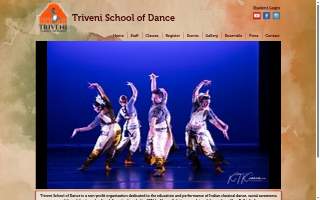
Triveni School of Dance is a dance studio in Brookline, Massachusetts, dedicated to the teaching and performance of Indian classical dance. Founded in 1971 by Neena Gulati, an acclaimed dancer from New Delhi, the school specializes in training students in Bharatanatyam, Kuchipudi, and Odissi. Classes are held weekly, preparing dancers for their arangetram, a formal two-hour solo performance marking their artistic debut. The school also hosts performances through the Triveni Ensemble at cultural events, schools, community centers, and universities, often combining dance with lectures and workshops. With a 4.70 rating and a strong reputation among students and families, Triveni School of Dance is recognized for its commitment to cultural preservation and artistic excellence.
The school was established by Neena Gulati, who began dancing at age four and performed her arangetram in New Delhi in 1961. A master of the Pandanallur style of Bharatanatyam, she has performed at the United Nations General Assembly and at universities across the U.S. and England. Since relocating to the United States in 1967, she has taught at Brown University and served as a guest artist throughout New England. Her teaching embodies the guru-shishya tradition, emphasizing devotion, precision, and deep cultural understanding. She continues to lead workshops, collaborate with artists across disciplines, and choreograph dance dramas, maintaining a vibrant presence in the Boston arts community.
Triveni School of Dance is located at 67 Powell Street in Brookline, Massachusetts, just a short walk from Winthrop Square, Minot Park, and the Minot Rose Garden, all within a quarter-mile radius. The studio lies near Saint Paul Street and Beacon Street, placing it within a well-connected neighborhood of parks, schools, and residential areas.
With a longstanding history and a reputation for excellence in Indian classical dance education, Triveni School of Dance stands as a cornerstone of cultural expression in the Boston area. Its enduring legacy and commitment to performance, teaching, and community engagement define its role in Brookline’s artistic landscape.