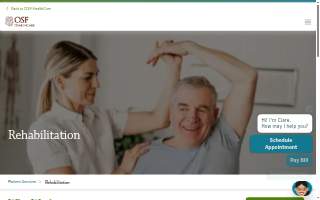
OSF Rehabilitation
BizScore
Contact Information
-
Address
812 N Logan Ave, Danville, IL -
Phone
(217) 443-5642 -
Website
osfhealthcare.org
Location
About OSF Rehabilitation
OSF Rehabilitation is a physical therapist in Danville, Illinois, providing specialized care for patients recovering from injury, managing chronic pain, or rebuilding function after illness or surgery. The clinic offers a wide range of services including back and neck therapy, neurological rehabilitation, aquatic therapy, orthopedic care, pelvic floor therapy, pain management, pediatric rehabilitation, and occupational therapy. Their team consists of board-certified, highly skilled therapists dedicated to improving mobility, preventing disability, and enhancing overall quality of life. Services are available to individuals across Danville and surrounding communities, with a strong focus on personalized, patient-centered treatment.
Located at 812 N Logan Ave, OSF Rehabilitation is situated just a short distance from several key local institutions. It is about 0.1 miles from Danville Polyclinic and Affirmative Care Solutions, both medical clinics, and approximately 0.2 miles from OSF Sacred Heart Medical Center, a full-service hospital. The clinic is also within a quarter-mile of Lakeview College of Nursing and close to Lincoln Park and the North Fork Vermilion River, offering convenient access for patients seeking care in a well-connected, health-focused area.
With a perfect 5.00 rating based on one verified review, OSF Rehabilitation is recognized for its skilled professionals and effective, research-based therapy programs. The clinic emphasizes functional recovery and long-term wellness, helping patients return to daily activities, work, and recreational pursuits. Their comprehensive approach includes both in-person and aquatic therapy, with programs tailored to individual needs, from post-stroke rehabilitation to managing conditions like Parkinson’s disease and chronic pain. The clinic is part of the OSF HealthCare system, known for its commitment to compassionate, Christ-centered care.
OSF Rehabilitation stands as a trusted provider of physical and occupational therapy in Danville, supporting residents in regaining strength, mobility, and independence. Their presence near major healthcare and educational institutions underscores their role in the community’s health infrastructure.